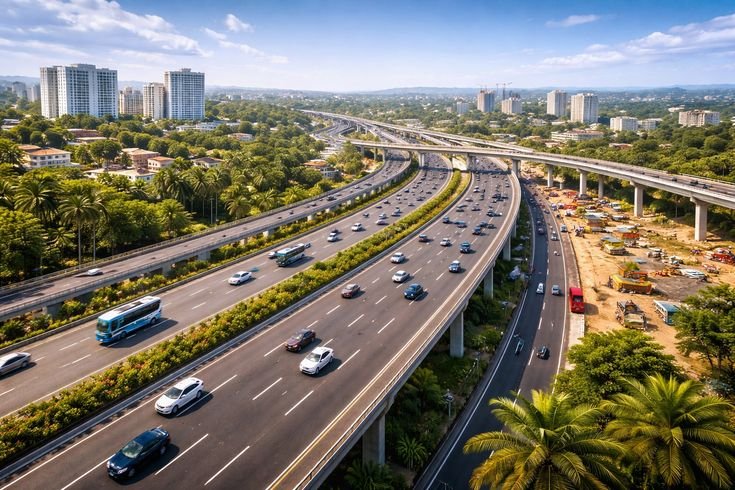

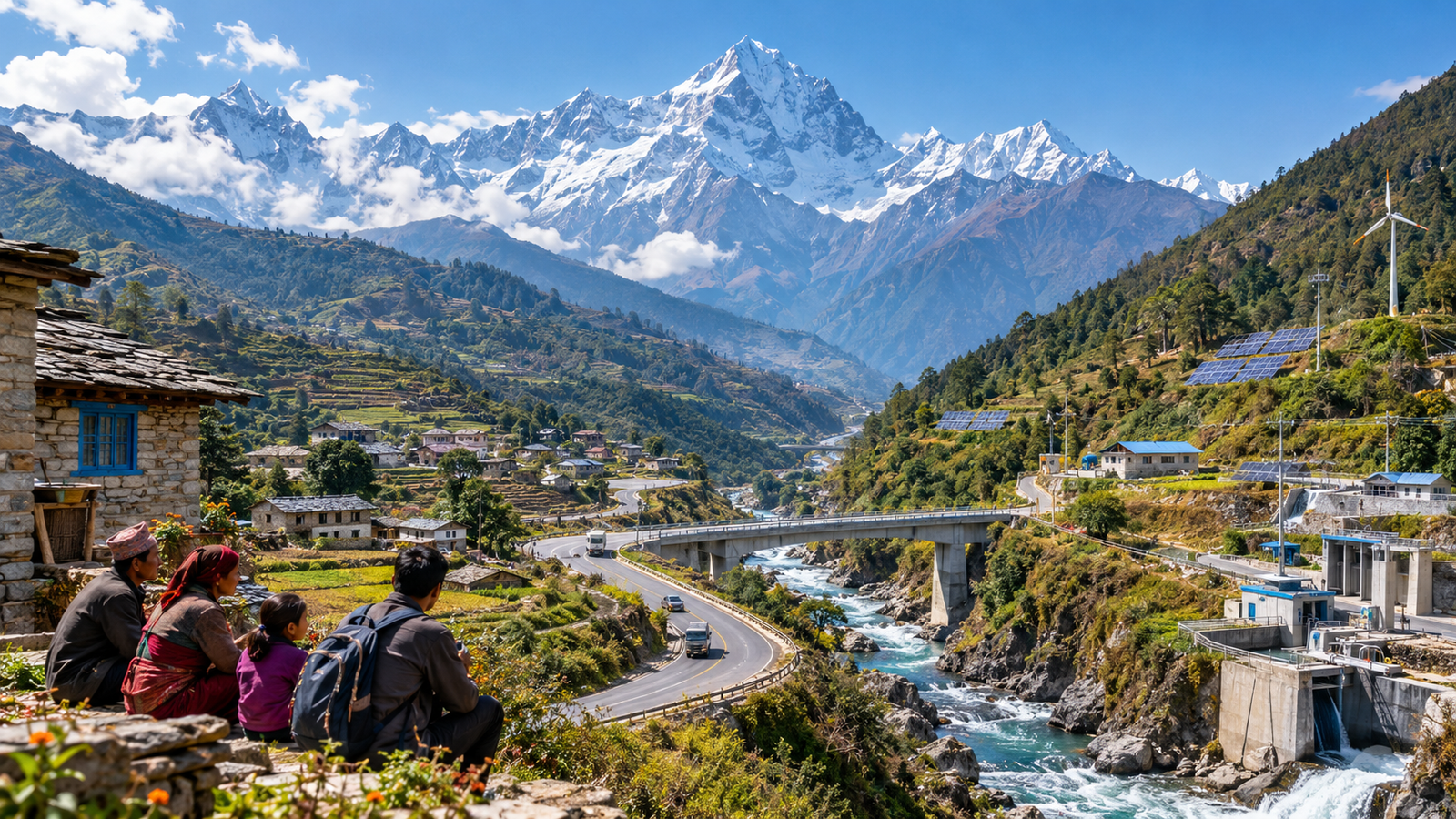
Nepal is expanding infrastructure projects designed to improve resilience in mountain communities as environmental conditions place increasing pressure on roads, energy systems and public services.
Mountainous terrain makes infrastructure development particularly challenging. Roads and bridges must operate across steep landscapes where landslides, heavy rainfall and changing weather patterns can disrupt transport.
Infrastructure planners are increasingly considering climate resilience when designing new projects.
Improved drainage, stronger bridges and better road engineering can help reduce disruptions during extreme weather.
Energy infrastructure is another important area of development. Renewable-energy projects and improved electricity networks can provide more reliable power to communities while supporting businesses and public services.
Digital communications infrastructure is also becoming more important as remote areas depend on mobile and internet connectivity for education, financial services and emergency communication.
Projects designed for difficult mountain conditions can require significant investment and careful environmental planning.
Local communities can also play an important role by identifying transportation, energy and public-service needs.
As climate and development challenges continue to intersect, resilient infrastructure is expected to become an increasingly important part of Nepal’s long-term economic planning.